
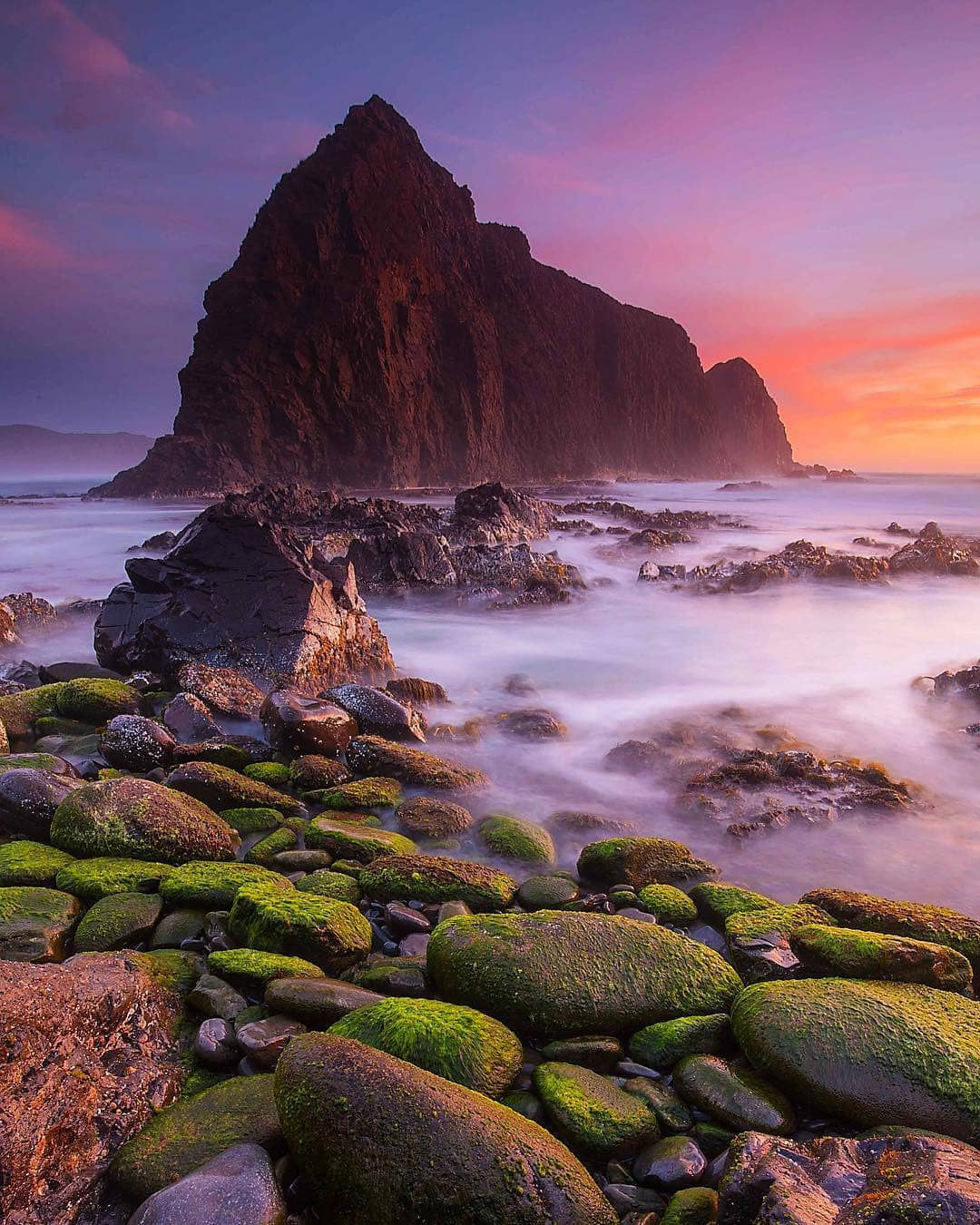
Cockle Creek is reached by following the road south beyond Geeveston and Southport until it ends beside Recherche Bay. The sheltered water and forested shore make an appealing destination in their own right. Beyond the bridge, Southwest National Park begins and the South Cape Bay walk leads into much more exposed country.
It is a place to choose how far to go. A short coastal stop and the old pilot-station ruins suit a slower day; the walk to South Cape Bay calls for proper walking gear, enough daylight and a willingness to turn around if conditions deteriorate.
How to get there
From Hobart, follow the Huon Highway south through Geeveston, continuing towards Southport, Lune River and Cockle Creek. Parks Tasmania puts the drive at about two hours. The final section beyond Ida Bay is gravel and normally negotiable by two-wheel-drive vehicles with care. There is no fuel beyond Southport.
For South Cape Bay, start at the signed car park just after crossing the Cockle Creek bridge. This is the national park side; do not assume the camping, dog and fire rules are the same either side of the bridge.
What to see and do
Recherche Bay and the end of the road
The shoreline is a good reason not to make the drive solely for the walk. Short stops lead towards the whale sculpture at Adams Point. The area also has a substantial history as the homeland of the Lyluequonny Aboriginal people, followed by European exploration, whaling and settlement.
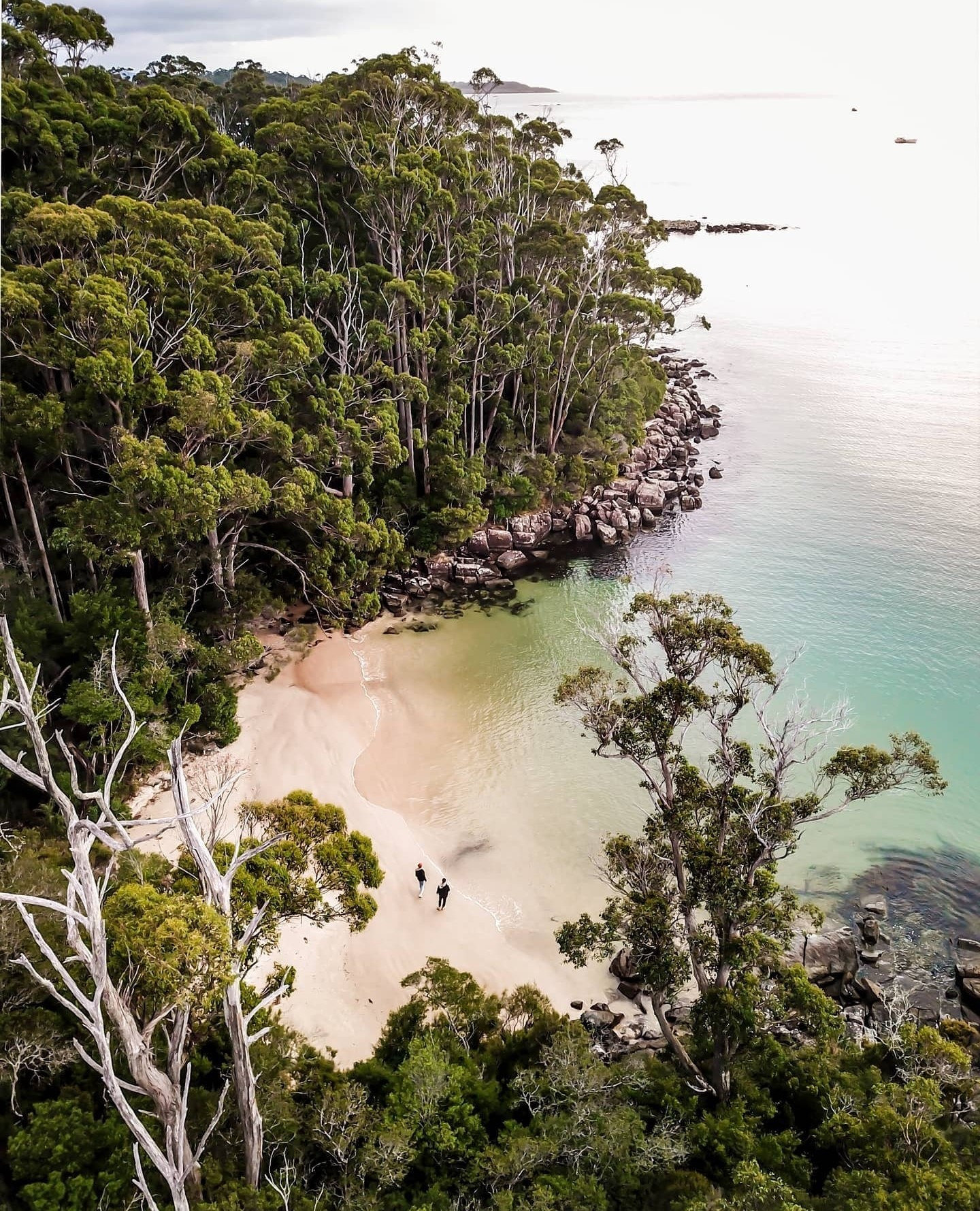
Fishers Point
From near the whale sculpture, a coastal walk leads to the ruins of an early pilot station and lighthouse. Parks Tasmania lists Fishers Point as 4 km return and approximately two hours. Parts of the beach route can be difficult or inaccessible at high tide.
The South Cape Bay walk
The longer route passes through woodland, open vegetation and boardwalked wetland before reaching a cliff-edge viewpoint above the Southern Ocean. Steps lead to the beach when conditions permit, and Lion Rock is visible further along the coast. Expect wind and heavy surf even when Recherche Bay is calm.
The dedicated Parks Tasmania listing gives a Grade 3 walk taking about four hours return. Its distance figure differs from the broader Cockle Creek information page, so consult the current official route information rather than relying on a single kilometre figure.
Seeing Lion Rock
Lion Rock stands along the South Cape Bay shoreline and is a striking feature of the wild coast. Follow the South Cape Bay walk from the Cockle Creek car park to the cliff-top lookout. Parks Tasmania explains that, if conditions allow, you can descend the steps to the beach and walk along the sand and cobbles towards Lion Rock. It is not a separate roadside lookout. Allow enough time to return the same way, and avoid the beach when surf, wind or tides make it unsafe.
Camping
Camping areas are split between Recherche Bay Nature Recreation Area north of the bridge and Southwest National Park to the south. Within the national park, campfires are prohibited and dogs are not permitted. Seasonal campfire bans have also applied to the Recherche Bay camping areas on reserved land north of the bridge since 26 October 2026. Check the rules for the particular campground rather than treating Cockle Creek as a single camping area.
How much time to allow
Allow most of a day for South Cape Bay once the return drive from Hobart, walking and breaks are included. A shorter visit can focus on Recherche Bay, the whale sculpture and Fishers Point. Camping makes sense if you want to cover both the shoreline and the longer walk without a late drive.
Practical notes
- Carry food, drinking water and weatherproof clothing; services are very limited in the Far South.
- A national parks pass is needed in Southwest National Park.
- Check the road surface, wind and coastal conditions before travelling.
- South Cape Bay has unpatrolled beaches and exposed cliff edges. Follow official safety advice.
- Observe the different restrictions on camping and dogs either side of Cockle Creek bridge. Campfires, pot fires and other solid-fuel stoves are currently prohibited on reserved land in both areas; check the current Parks Tasmania campfire rules before camping.
A suggested plan
Leave Hobart early if South Cape Bay is your objective. Allow the longer walk to determine the day and keep the shorter foreshore stops for the return. With an overnight stay, spend one day on the track and another around Recherche Bay and Fishers Point.