
Derby is more than a trailhead. The town's former mining streets, the Ringarooma River valley and a substantial network of purpose-built mountain-bike trails make it an appealing North-East Tasmania stop whether you have come to ride or simply explore.
Build the day around ability rather than the reputation of any particular trail. The network includes climbing routes and uplift shuttles, but some descents are technically demanding and conditions change. A little planning makes the day more rewarding than setting off for the longest route.
How to get there
Derby is in North-East Tasmania, reached from Launceston by road through Scottsdale or as part of an inland route from the East Coast. Much of the town centre can be explored on foot, and trail access begins near the settlement. A vehicle is useful for further destinations around the North-East.
Consult the current official Blue Derby maps before selecting a riding route. Shuttle services use particular pick-up and drop-off points, and trail closures may affect a planned circuit.
What to see and do
The mountain-bike trails
The official Blue Derby website currently lists 35 Derby trails plus three trails in the Blue Tier area. Routes differ substantially in length and difficulty. Climbing trails make the network free to access, while commercial uplifts can take riders to higher trailheads.
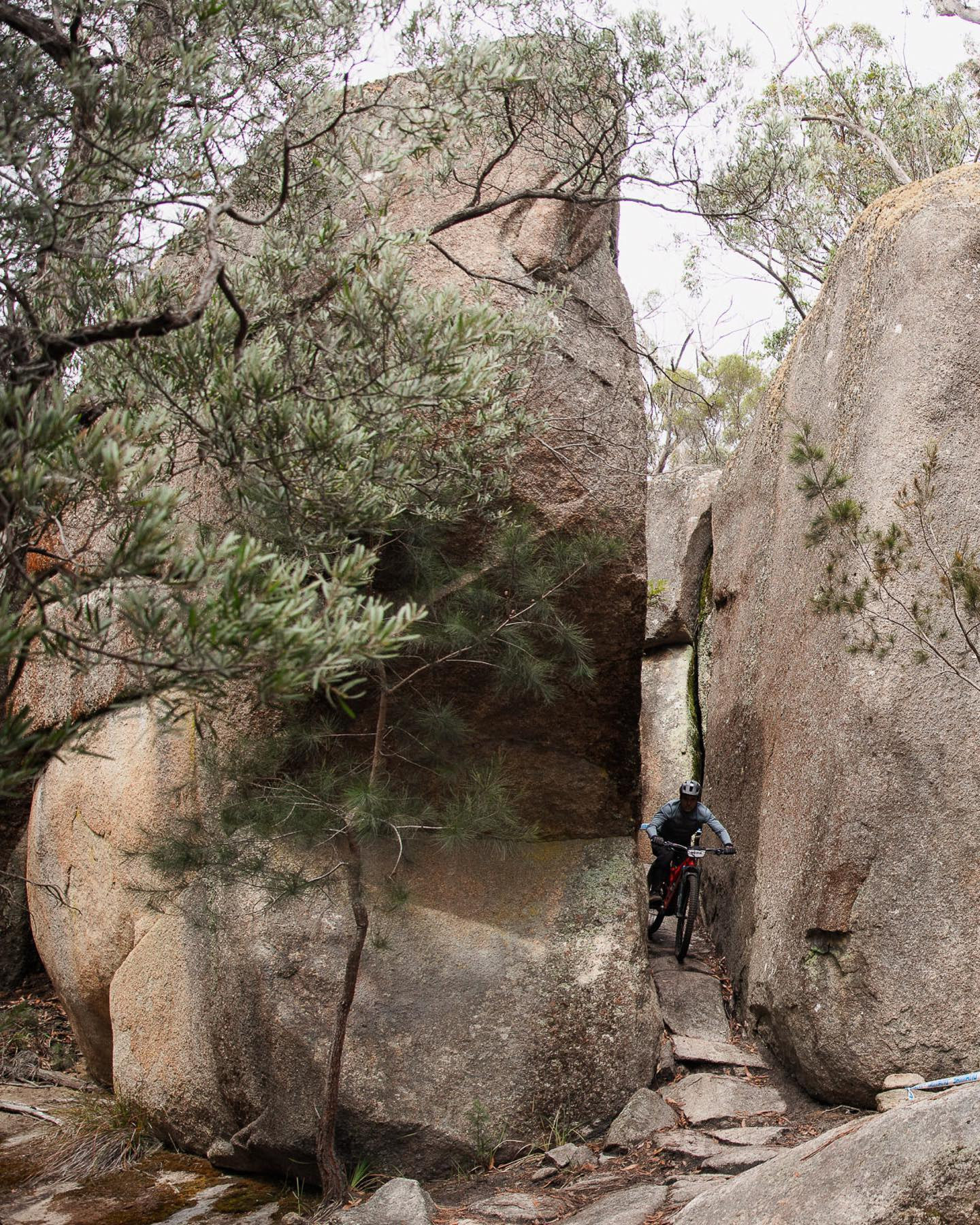
Choose routes that fit your technical skill, equipment and remaining energy. First-time visitors may prefer to arrange hire, a guide or a shuttle with a local operator rather than making assumptions from an overview map.
Mining history in town
Derby's compact streets retain traces of its mining past. The Schoolhouse Museum and Derby Tunnel provide a useful contrast to the riding network and can occupy a slower part of the day.
Briseis Waterhole
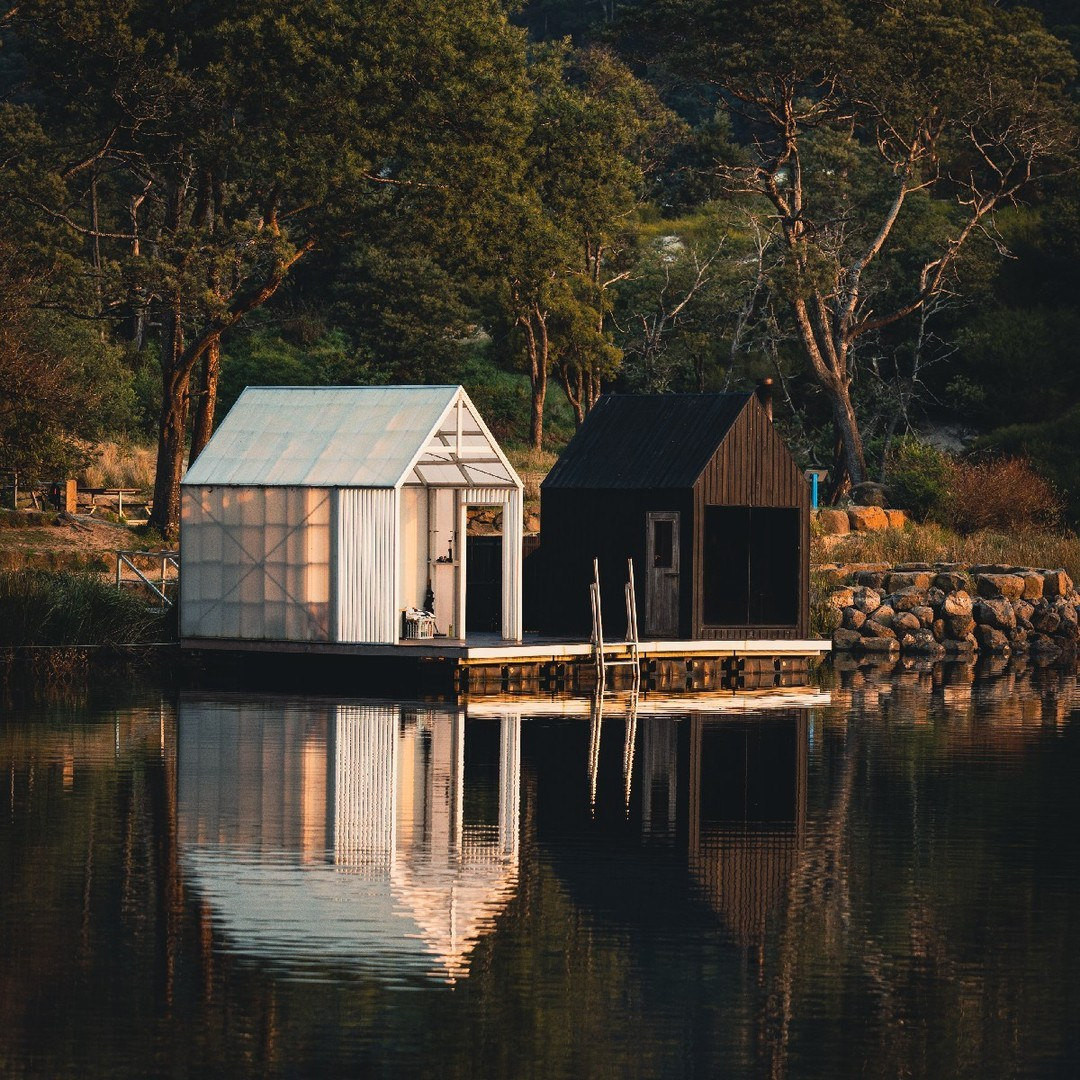
The waterhole and floating sauna are among Derby's better-known off-bike experiences. Check availability and booking arrangements for the sauna rather than expecting to walk in. It is equally worthwhile to make time for the surrounding river landscape.
Further into the North-East
The official Blue Derby visitor information identifies nearby places including Mount Paris Dam and Little Blue Lake. Both are better approached as part of an unhurried regional drive rather than as quick detours between rides.
How much time to allow
A full day suits a selected ride and some time around town. Stay overnight if you want multiple routes, an uplift and a separate off-bike visit. Extra time is valuable if rain or seasonal restrictions change your preferred route.
Practical notes
- Riding the trail network is free; hire and uplift shuttles are separate paid services.
- Blue Tier and Big Chook have an annual winter closure, normally July to late September, with reopening weather dependent.
- Check current trail status and match the route to your abilities.
- Arrange accommodation and shuttles ahead in busy periods.
- Carry suitable riding equipment and allow time to return before dark.
A suggested plan
Pick one riding area before travelling, ride in the morning and allow time to return through town for lunch. Spend the afternoon on a shorter trail or at the waterhole. For a longer stay, reserve a separate day for Blue Tier or nearby North-East attractions.