
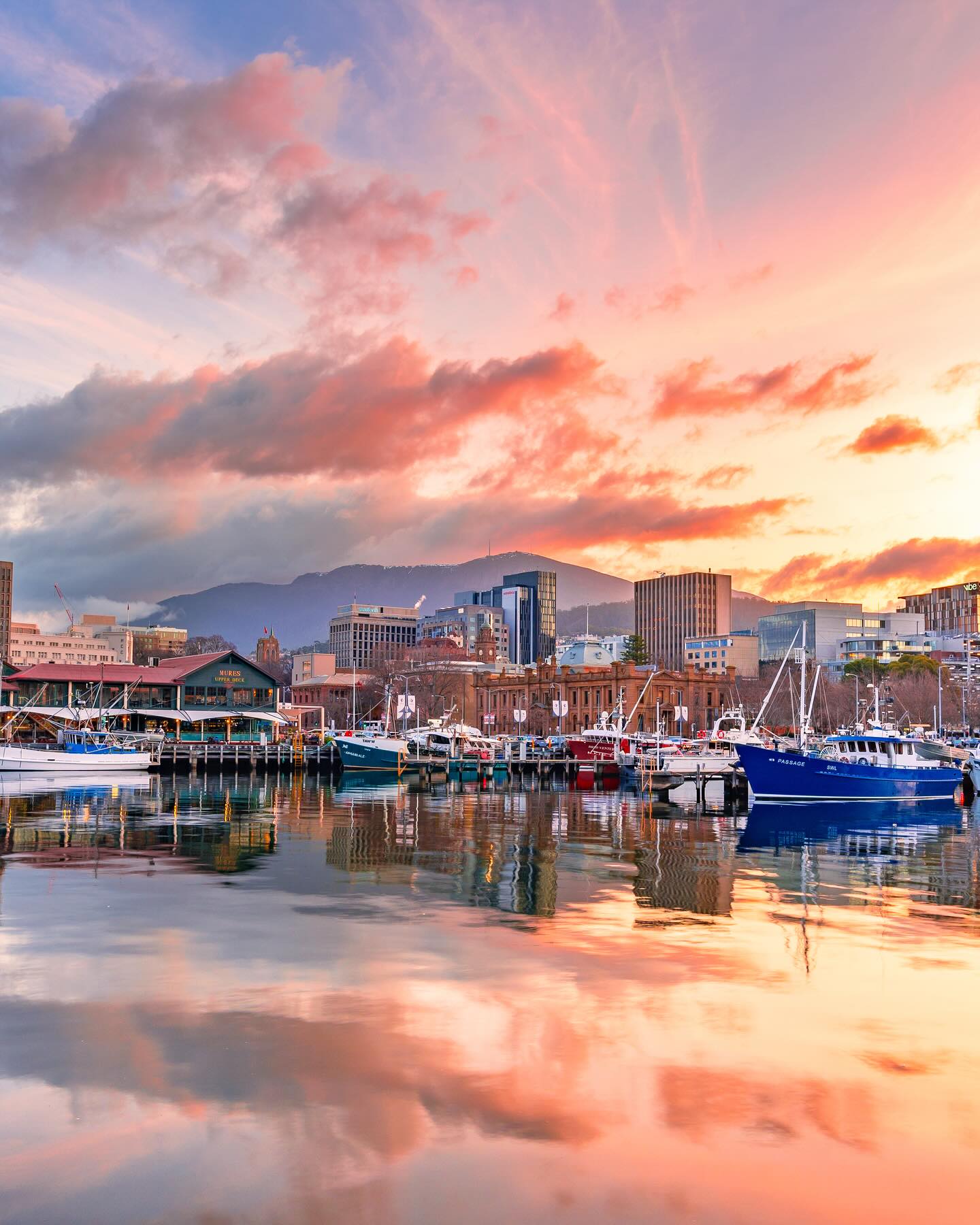
Hobart is compact enough that some of its most distinctive streets, warehouses and waterfront spaces can be explored without a car. The strongest route starts above Salamanca in Battery Point, drops through Kelly's Steps and then follows the harbour around Sullivan's Cove.
That walk is the core of this guide. Cascade Brewery and the eastern shore are worthwhile additions if you have more time, but they work better as separate short detours than as part of the same pedestrian route.
How to get there
If you are staying in central Hobart, start at Salamanca Place and walk. Battery Point rises directly behind the warehouses, while the waterfront continues east from Salamanca towards Constitution Dock and the Tasmanian Museum and Art Gallery.
Kelly's Steps provide the most direct connection between Salamanca and Battery Point. Built in 1839 by whaling captain James Kelly, the steps still link the old waterfront with the residential streets above.
What to see
Battery Point
Climb from Salamanca into Battery Point and spend some time away from the main road. The suburb retains narrow streets, cottages and larger nineteenth-century houses that reflect its long relationship with Hobart's maritime industries.
Arthur Circus is the clearest landmark, with cottages arranged around a small circular green. From there, Hampden Road gives you cafés and shops before the quieter side streets lead back towards the river.
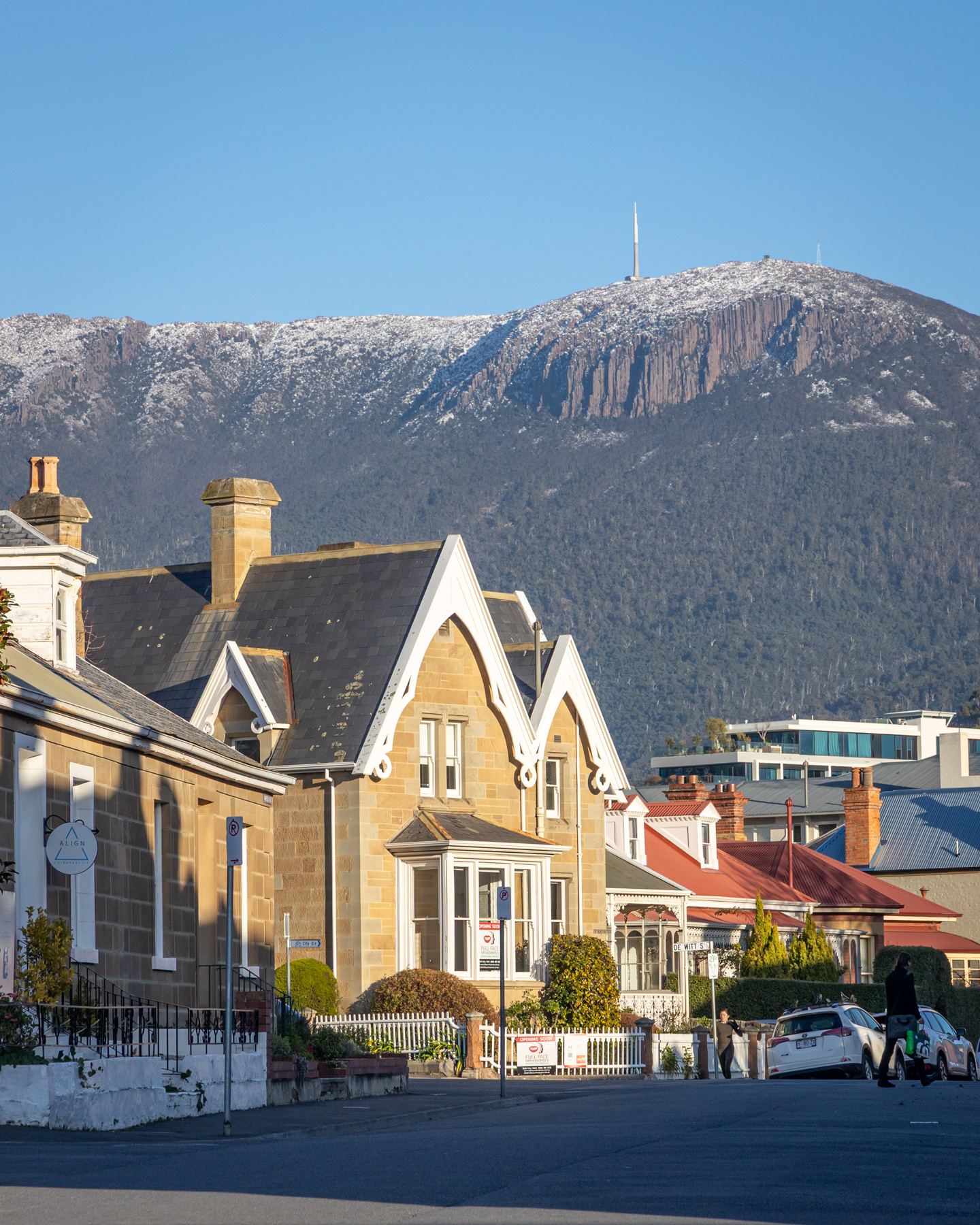
If you want a defined route rather than wandering, the Battery Point Sculpture Trail is a 2 km self-guided walk linking nine numbered sculptures with stories from the area's maritime and industrial history. The trail begins at Salamanca Place and continues through Battery Point towards Marieville Esplanade.
Salamanca Place
Return through Kelly's Steps to Salamanca Place. The long row of Georgian sandstone warehouses once stored goods including whale oil, grain, timber and imported cargo; today the buildings contain galleries, shops, restaurants and cafés.
On Saturdays the street becomes Salamanca Market, running from 8.30 am to 3 pm with around 300 stalls. If the market is part of your visit, go early and give it proper time rather than trying to squeeze it between other stops.
The waterfront and TMAG
Continue east from Salamanca around Sullivan's Cove and Constitution Dock. Fishing boats, yachts and working harbour infrastructure sit alongside the older sandstone buildings, making this part of Hobart feel less like a preserved precinct and more like a waterfront that is still in use.
The Tasmanian Museum and Art Gallery sits just beyond the docks at Dunn Place. General admission is free. From 1 April to 24 December it opens Tuesday to Sunday from 10 am to 4 pm; from 26 December to 31 March it opens daily from 10 am to 4 pm.
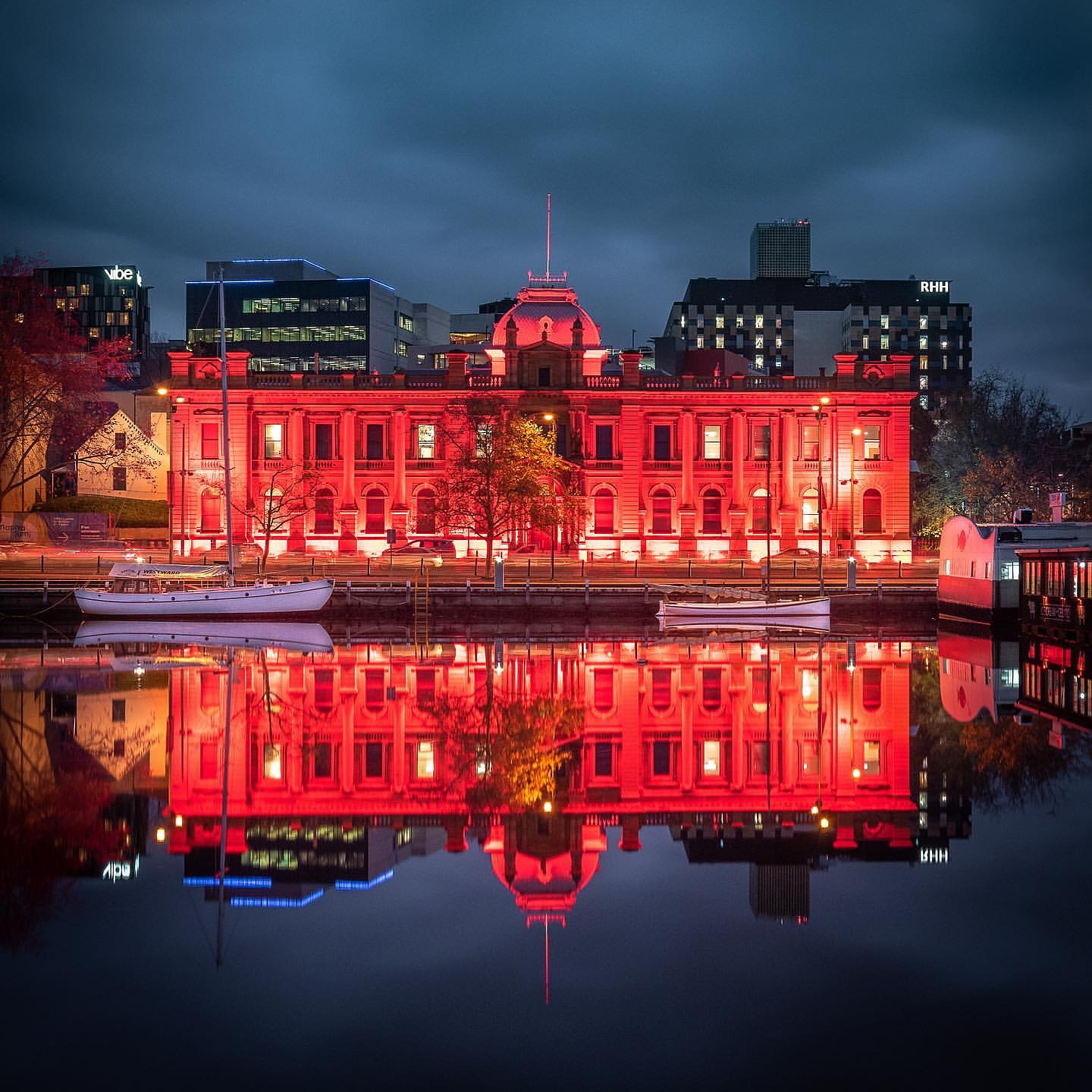
TMAG is the most useful indoor extension to the waterfront walk because it adds Tasmanian art, natural history and cultural collections without requiring another trip across the city. Check the current exhibitions if you want to spend more than an hour inside.
Cascade Brewery
If you have more time, head west to Cascade Brewery in South Hobart. It is not part of the waterfront walking route, but the sandstone brewery beneath kunanyi / Mount Wellington is one of the city's most recognisable industrial landmarks.
Cascade traces the beginning of its enterprise to 1824, while its own history records brewing beginning on the site in 1832. The brewery bar and gardens are open to visitors, and brewery tours can be booked separately through Cascade.
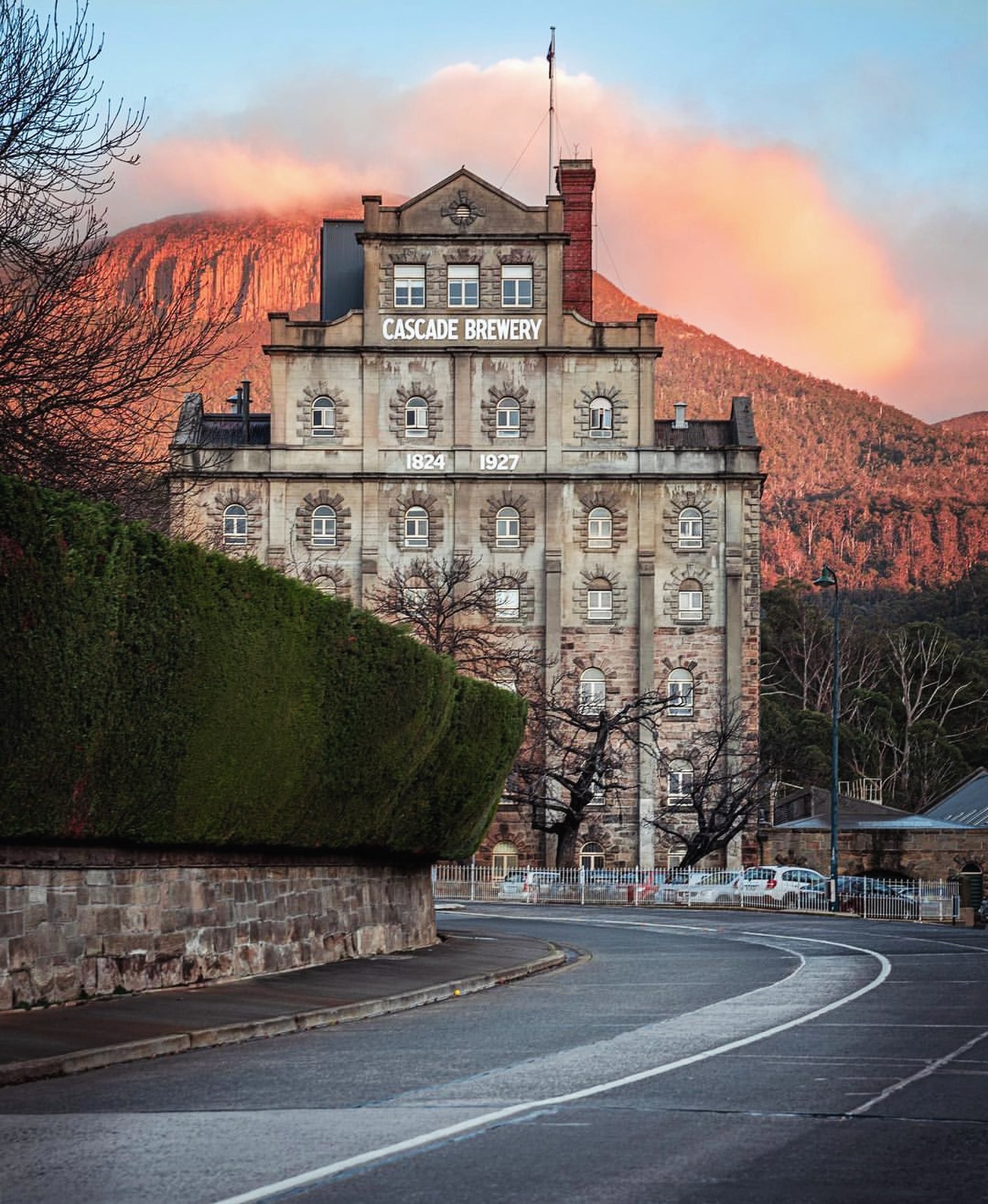
Allow about ten minutes by car from central Hobart. It also combines naturally with a trip towards kunanyi / Mount Wellington, but keep the mountain itself for the separate Experience Tasmania guide rather than trying to cover both destinations in one day plan.
Across the Derwent
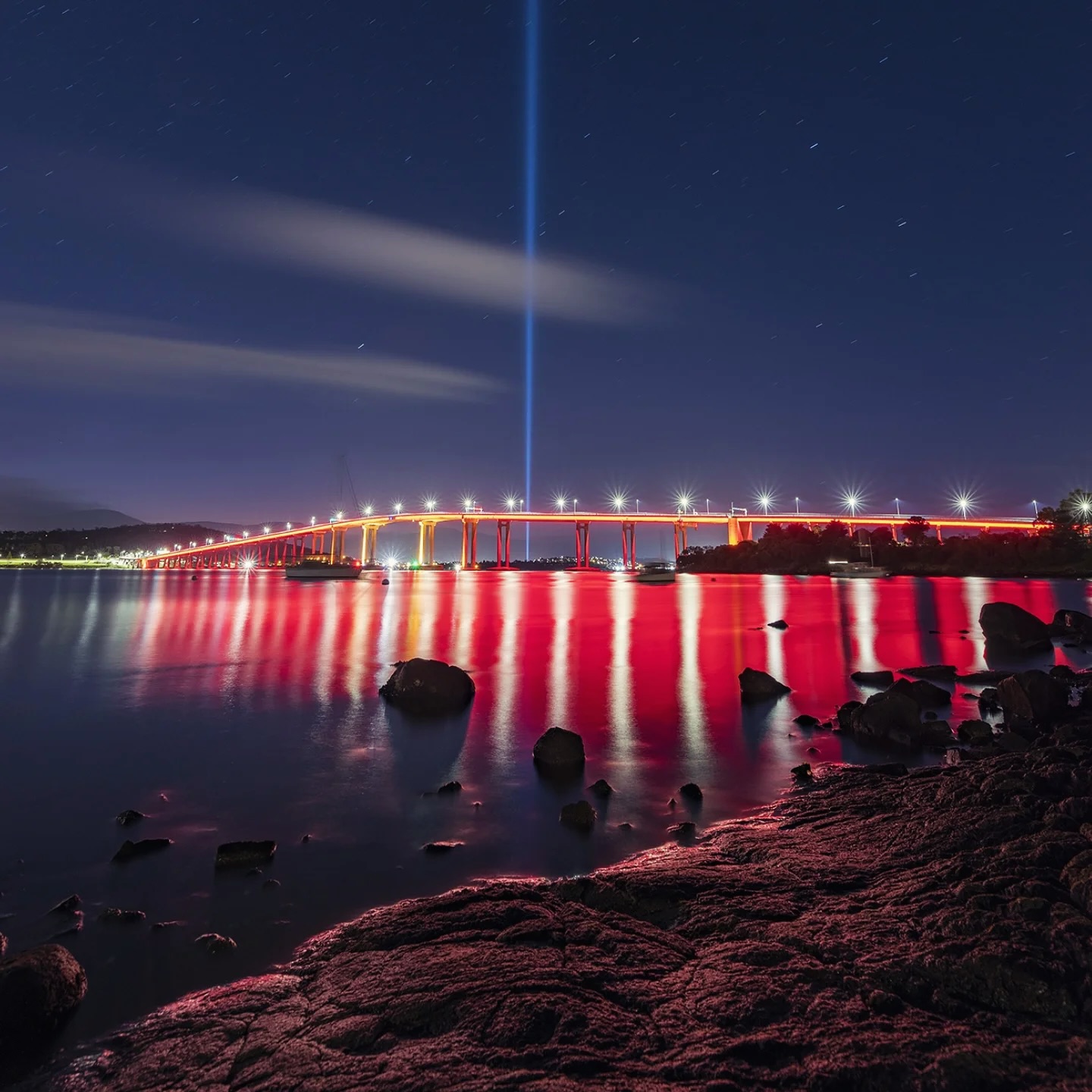
For a different view of Hobart, cross the Tasman Bridge to the eastern shore. Rosny Hill is the strongest short viewpoint: its 2.8 km circuit looks back across Kangaroo Bay and the River Derwent towards the bridge, city and kunanyi / Mount Wellington.
For a lower waterfront perspective, the Clarence Foreshore Trail between Montagu Bay and Kangaroo Bay runs for 3.3 km through Rosny Point and along the river. You do not need to walk the full section to make the detour worthwhile; Montagu Bay and Rosny Point are useful places to stop and look back across the water.
Timing
Allow around three to five hours for Battery Point, Salamanca, the waterfront and TMAG. The distance is not the difficult part; the value comes from leaving enough time to explore the streets, stop for food and spend time around the docks or museum.
On Saturdays, Salamanca Market can easily turn the central route into most of a day. The market recommends allowing at least three hours and is generally quieter earlier in the morning.
If you add Cascade Brewery or the eastern shore, treat Hobart as a full-day guide. Trying to fit both extensions around a substantial Saturday market visit will make the day unnecessarily rushed.